
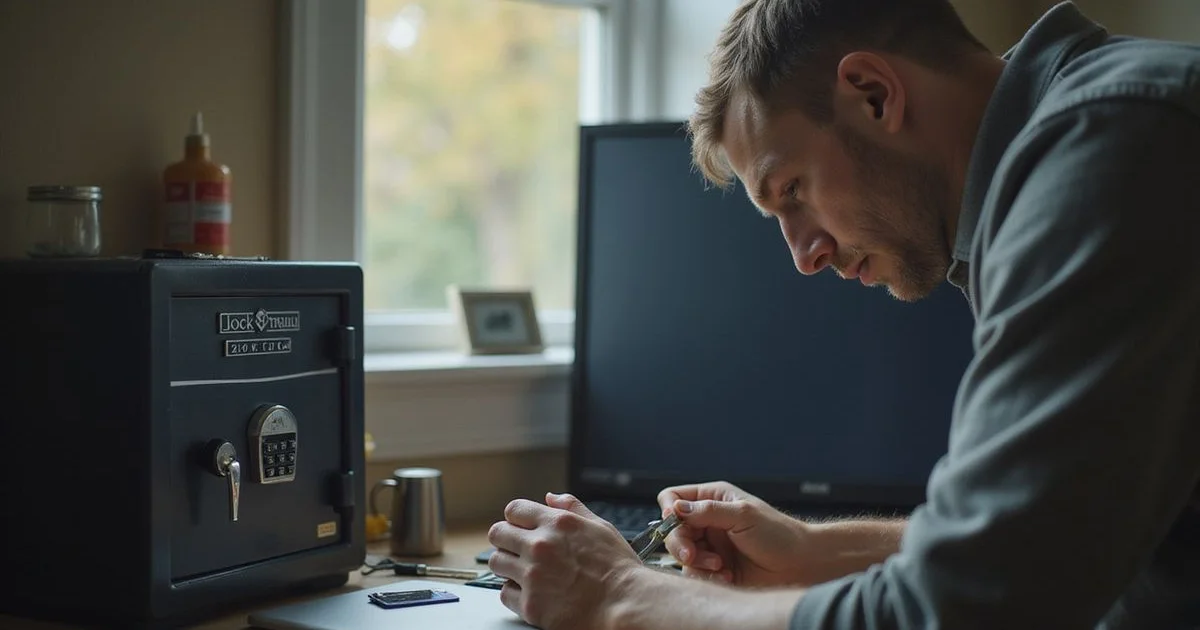
You haven’t lost what’s inside, here are your real options
We regularly see the panic that sets in when a forgot safe combination causes a complete lockout. A locked metal box suddenly feels like a permanent vault.
The truth is that most home and small business safes offer a straightforward path back inside. Our safe box opening service team handles these lockouts every single week across the Petaling Jaya area.
Your best approach depends entirely on the safe model and whether you have any backup access options available.
Let us walk through the practical steps to regain access to your valuables.
Option 1: Combination recovery
Recovering a partially recalled combination is completely possible and saves you from a drill attack. A methodical dialing sequence can often find the rest if you only know the first few digits.
Our technicians look for common patterns to reconstruct the missing numbers. People frequently default to familiar sequences without realising it. Consider these common safe combination recovery clues:
- The factory default: Yale Elite safes arrive with a standard factory code of 168.
- Everyday sequences: Many users recycle standard ATM PINs like 1234 or 159.
- Personal data: The last four digits of a Malaysian MyKad or a vehicle license plate number.
- Muscle memory: Sometimes your fingers memorize the keypad shape even if your brain forgets the exact digits.
We will sit down with you and test these familiar patterns first. This simple troubleshooting step takes only minutes. A successful pattern match opens the door instantly with zero tools required.
Option 2: Override key
Locating your mechanical override key is the fastest way into a locked digital safe. Manufacturers design these physical keys as a fail-safe for dead batteries or a safe locked out scenario.
We frequently resolve panic calls just by helping customers find this hidden keyway. Many popular models from brands like Yale or Falcon conceal the keyhole behind a small plastic trim panel. You will often find this cover right below the main keypad or near the external battery compartment.
Our clients sometimes misplace the physical key they received at purchase. Search your home for a small tubular or dimple key stashed in these common spots:
- Inside the original owner’s manual or warranty paperwork.
- Taped to the back of a filing cabinet drawer.
- On a secondary key ring stored in a completely different room.
Finding that key instantly resolves the lockout and lets you reset the system.
Option 3: Non-destructive manipulation
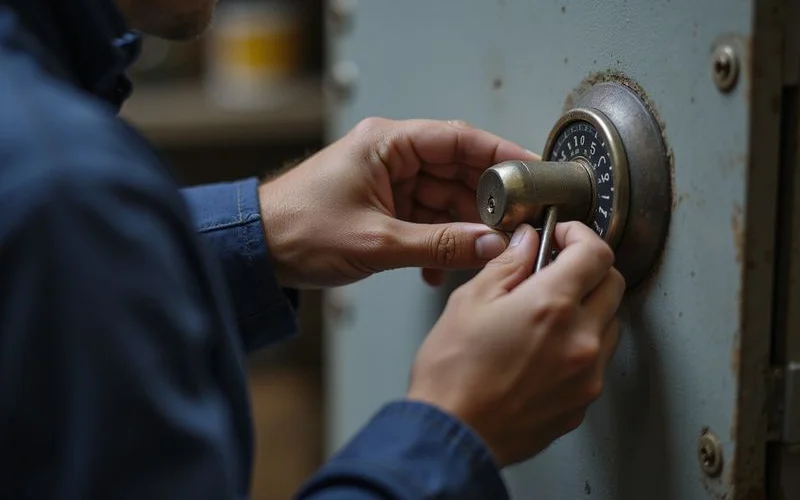
Skilled lock manipulation offers a clean entry method for traditional mechanical rotating dials. A trained technician feels and listens for the internal wheel packs aligning, keeping the hardware perfectly intact.
We apply careful pressure to the dial while mapping out the internal contact points. This methodical process usually takes 45 to 90 minutes for standard commercial models. Older Chubb or Falcon safes respond very well to this technique.
Our team uses a completely different non-destructive approach for digital keypads. Technicians often discover that the issue is a failed power supply rather than a forgotten code. These electronic bypass methods can restore access:
| Problem Type | Non-Destructive Solution |
|---|---|
| Flat internal batteries | Apply a 9V external battery terminal to power up the keypad temporarily. |
| Keypad glitch | Trigger a factory reset sequence using the external emergency contacts. |
| Worn out buttons | Use diagnostic tools to read the saved code directly from the circuit board. |
We can usually get the door open without a single drill bit touching the metal. Restoring power or resetting the electronics solves the majority of keypad failures. Professional diagnostic tools read the circuit board directly when external resets fail.
Option 4: Drilling (last resort)
Drilling is only considered when all non-destructive bypass methods have completely failed. This process permanently alters the container and typically means the safe must be replaced.
We map out a very specific target point before pulling out a drill. Professional technicians do not just smash through the door with brute force. High-security safes, like the Chubb Guardian series, feature a vulnerable component called a glass relocker.
Our precise goal is to bypass this glass plate using specialized tungsten carbide drill bits. Hitting the wrong spot shatters the glass and permanently jams the internal locking bolts. You will receive a clear briefing on the process before any drilling begins:
- The exact entry point (carefully chosen to avoid damaging your contents).
- The permanent consequences to the safe body and warranty.
- The likely need to purchase a replacement unit afterwards.
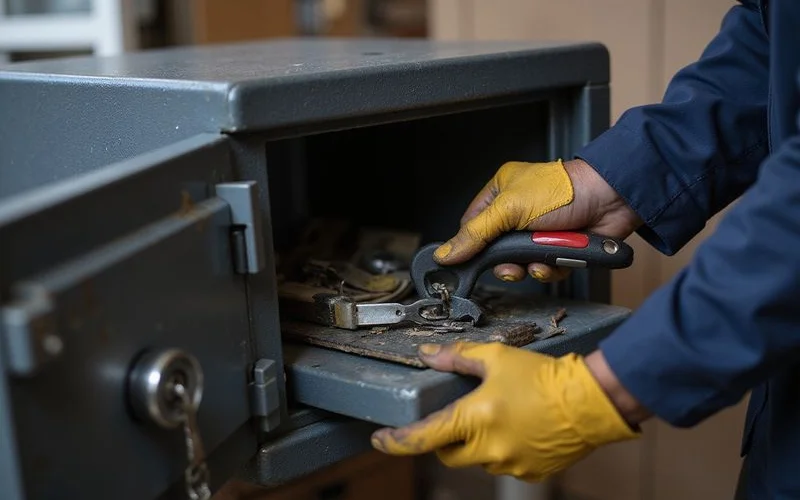
We proceed with this destructive method only after you give explicit consent. Your agreement ensures everyone understands the outcome before the metal is cut.
Proof of ownership: required, always
Verifying your identity is a mandatory legal step before bypassing any security device. This strict policy protects your valuables from unauthorized access attempts.
We require hard documentation showing you have the legal right to open the container. A simple verbal assurance is never enough for a professional service. Please prepare the correct documentation for your specific situation before the technician arrives:
- Home safe: An original purchase receipt or a recent TNB utility bill matching your IC address.
- Business safe: A Companies Commission of Malaysia (SSM) certificate and a formal authorization letter from the company director.
- Inherited safe: Official probate documents or a signed family acknowledgement letter.
Our strict adherence to these rules separates a reputable security provider from a careless one. This verification process secures the safety of the entire community. Proper documentation protects everyone involved in the transaction.
Why DIY drilling is risky
Attacking a lock with a hardware store drill almost always ends in a permanent, expensive jam. Commercial containers feature hidden defense mechanisms designed specifically to stop physical attacks.
We routinely receive calls from homeowners who made the situation far worse through DIY attempts. A commercial unit like a Chubb Mini Banker can cost upwards of RM 5,000 to replace. Destroying it to save a minor service fee is a costly miscalculation.
Our technicians see two common DIY mistakes that ruin hardware:
- Shattering the relocker: Drilling blindly into the door panel breaks the internal glass relocking plate.
- Snapping the boltwork: Forcing a damaged locking mechanism warps the steel bolts, rendering the door completely immovable.
Professional locksmiths study manufacturer schematics to find the exact, safe drill points. Most builders keep these precise measurements restricted to certified professionals.
We strongly recommend leaving the power tools in the shed to avoid destroying your property. A hasty drill attack turns a minor inconvenience into a major financial loss.
After opening: repair and re-secure
Opening the door is only half the job. The final step involves restoring the locking mechanism so you can continue using the container safely.
We focus on returning a fully functional, secure unit to your control. Depending on the damage and the model, several restoration options are available. A working security device gives you immediate peace of mind.
Our post-opening service checklist includes:
- Replacing worn mechanical dials or failed electronic keypads.
- Setting a fresh user code that you can easily recall.
- Recommending premium alkaline AA batteries, changed every 12 to 18 months, to prevent acid leakage.
- Handing over the manual override key for secure, separate storage.
You will receive clear instructions on routine maintenance before the technician leaves. This guidance ensures your security setup performs flawlessly for years to come.
We will review realistic options with you before we visit. WhatsApp us with your safe brand, model (if visible), and what has happened.